What Is Integrated Pest Management?
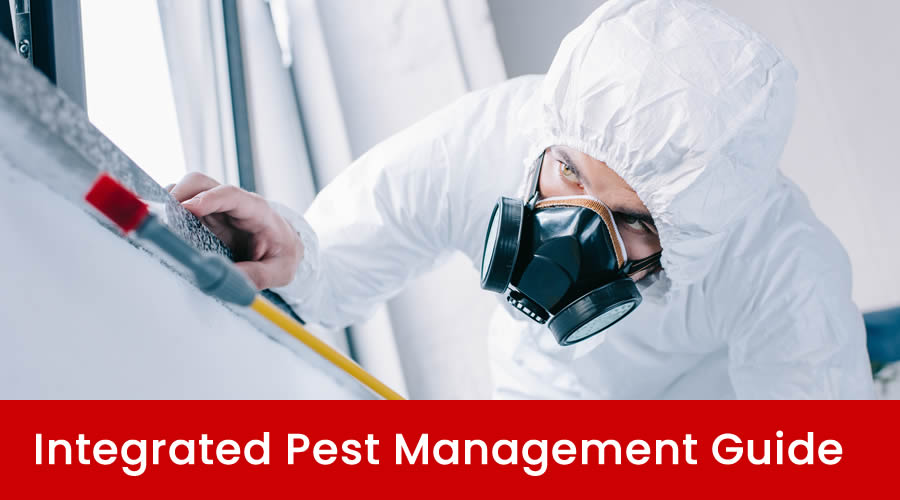
Integrated Pest Management, or IPM, is a science-based way to control pests by using prevention, monitoring, correct identification, and the safest effective treatment only when needed. It helps reduce pest damage while lowering risks to people, pets, property, and the environment.
No one wants pests to spread, damage property, or ruin healthy plants. People want control. They also want safety. That is why IPM program matters.
Instead of depending only on pesticides, IPM strategies uses a mix of smart methods. It looks at the pest, the place, and the level of damage before action is taken. That makes pest control more targeted, more practical, and often more effective over time.
IPM Definition
Here is the simple definition:
Integrated Pest Management is a long-term pest control approach that combines different methods to prevent pests, reduce damage, and lower risk.
Those methods may include:
- biological control
- cultural control
- physical or mechanical control
- chemical control when needed
The goal is not just to remove pests for the moment. The goal is to stop pest problems from getting worse and keep them from coming back.
How Does IPM Work?
Integrated Pest Management works as a step-by-step process. It does not start with spraying. It starts with understanding the problem.
1. Pest Identification
The first step is to identify the pest correctly.
That matters because not every insect, weed, or fungus is harmful. Some are harmless. Some are even helpful. If the pest is identified the wrong way, the treatment may fail.
Good pest control starts with clear information.
2. Monitoring
The next step is monitoring.
This means checking the area to see:
- what pest is present
- how many pests there are
- what kind of damage is happening
- whether the problem is getting worse
Monitoring removes guesswork. It helps people make better decisions instead of reacting too early.
3. Action Thresholds
One pest does not always mean you need treatment right away.
An action threshold is the point where the pest problem becomes serious enough to need control. This helps avoid overuse of pesticides and keeps the focus on real need.
That is a key difference between IPM and basic pest control.
4. Prevention
Prevention is one of the most important parts of this program.
The goal is to make the area less attractive to pests before they become a major problem. That may include:
- sealing cracks and gaps
- fixing leaks
- removing food and water sources
- improving sanitation
- using resistant plant varieties
- rotating crops
- keeping indoor and outdoor spaces clean
Prevention is simple, but it is powerful.
5. Control
If prevention is not enough, IPM moves to control methods.
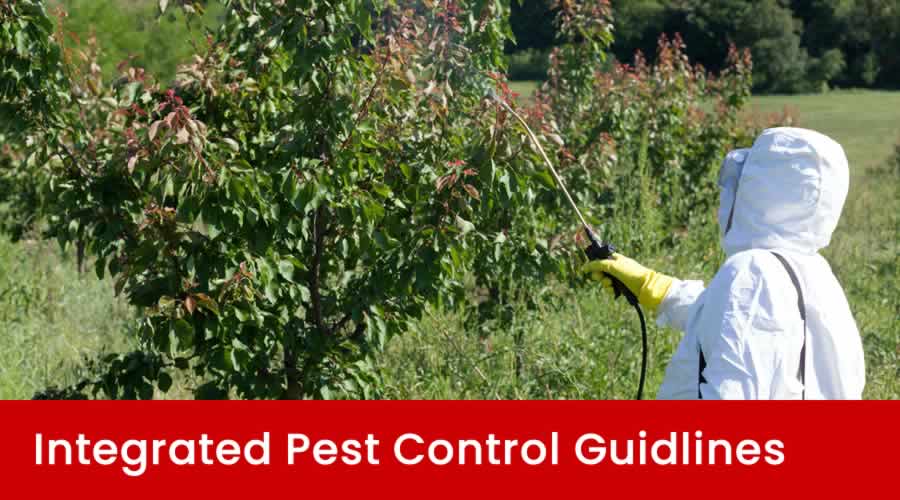
The best approach is to start with the least risky method that can still solve the problem. That may mean traps, barriers, habitat changes, or targeted treatments. If needed, pesticides can be used, but only in a careful and limited way.
Types of Integrated Pest Control Methods
A strong Integrated Pest Management program usually combines more than one method. That is where the word “integrated” matters.
Biological Control
Biological control uses natural enemies to reduce pest numbers.
This may include:
- predators
- parasites
- pathogens
- competitors
Biological control can help manage pests without depending only on chemicals.
Cultural Control
Cultural controls are routine practices that make it harder for insect pests to live, spread, and reproduce.
Examples include:
- crop rotation
- proper watering
- better sanitation
- planting pest-resistant varieties
- removing pest-friendly conditions
These steps may seem basic, but they are often the foundation of long-term pest control.
Mechanical and Physical Control
Mechanical and physical controls either remove pests directly or block them from entering an area.
Examples include:
- traps
- screens
- barriers
- mulches
- hand removal
- sealing entry points
These methods are direct, practical, and often very effective.
Chemical Control
Chemical control means using pesticides.
In Integrated Pest Management, pesticides are not the first answer. They are used only when needed and only after other methods have been considered. When pesticides are used, the goal is to choose the right product, use the right amount, and target the pest with the least possible harm.
Why Integrated Pest Management Is Important
Pests can damage crops, buildings, food supplies, and landscapes. They can also affect health and create stress fast.
That is why it is important. It gives people a safer and smarter way to respond.
Instead of using the same fix every time, IPM asks better questions:
- What pest is this?
- How serious is the problem?
- What conditions are helping it spread?
- What is the safest effective way to control it?
That approach leads to better choices. And better results.
Benefits of Integrated Pest Management Techniques
Less Dependence on Pesticides
One of the biggest benefits is reduced pesticide use. That matters in homes, schools, gardens, farms, and public spaces.
Better Long-Term Control
IPM focuses on prevention and long-term management, not just quick treatment.
Lower Risk to People and Pets
Because IPM uses targeted action, it can reduce unnecessary exposure to chemical treatments.
Protection for Helpful Organisms
Not all insects and organisms are harmful. Some support pollination and natural pest control. IPM helps protect them by avoiding broad, unnecessary treatment.
Smarter Use of Time and Money
When you treat the real cause of the problem, you waste less time and money on repeat treatments.
What Is Considered a Pest?
A pest is any organism that causes damage, harm, or unwanted disruption.
Pests may include:
- insects
- weeds
- rodents
- birds
- mites
- fungi
- bacteria
- viruses
- nematodes
In simple terms, if an organism harms plants, property, food, health, or the environment, it may be considered a pest.
Where Is Integrated Pest Management Used?
IPM can be used in many places, including:
- homes
- gardens
- farms
- greenhouses
- schools
- offices
- warehouses
- parks
- natural areas
That broad use is one reason IPM matters so much. It is flexible. It can be adapted to different pests, different locations, and different levels of risk.
Integrated Pest Management in Agriculture
It helps growers protect crops while reducing unnecessary chemical use.
Common agricultural IPM practices include:
- field scouting
- pest monitoring
- resistant crop varieties
- crop rotation
- biological controls
- targeted pesticide timing
This supports crop health, lowers risk, and helps improve long-term control.
Integrated Pest Management in the Home
It focuses on stopping specific pests before they take over.
That may include:
- sealing entry points
- fixing moisture problems
- storing food properly
- reducing clutter
- removing standing water
- using traps
- applying targeted products only when needed
This makes pest control feel more manageable and less risky.
What Is the Main Goal of Integrated Pest Management?
The main goal of IPM principles is to control pests in the most effective way with the least possible risk.
That means:
- preventing pest damage
- reducing health and environmental risks
- limiting unnecessary pesticide use
- choosing smarter control methods
- improving long-term results
It is not about doing less. It is about doing what works best.
Final Thoughts
So, what is Integrated Pest Management?
It is a smart, practical, and science-based way to manage pests by combining prevention, monitoring, accurate identification, and targeted control methods. It helps reduce pest damage while lowering risks to people, pets, property, and the environment.
That is why IPM strategies continue to be one of the best approaches to pest control. It is careful. It is effective. And it makes sense.
References
This article draws on guidance and definitions from the following authoritative sources on Integrated Pest Management (IPM):
- University of California Statewide IPM Program. https://ipm.ucanr.edu/what-is-ipm/
- NSW Environment Protection Authority. https://www.epa.nsw.gov.au/Your-environment/Pesticides/integrated-pest-management
- CSIRO. https://www.csiro.au/en/research/animals/pests/Integrated-Pest-Management
- National Archives of Australia. https://www.naa.gov.au/information-management/storing-and-preserving-information/preserving-information/integrated-pest-management

Leave A Comment
You must be logged in to post a comment.